The field-trip file: maps, permits and a site notebook
A day out to somewhere worth seeing runs on a thin file: the booking confirmation, the map, the rules of the site and one notebook. Everything else is luggage.
The file exists because the interesting places are rarely the convenient ones. The castle that closes at four, the reserve that wants a permit, the site where the car park is a mile from the stones: each asks for a small amount of paperwork, and the household that keeps it in one folder spends the day looking at the thing rather than at a phone signal that has failed.
The file is a single document wallet that lives in the paper drawer between trips and goes in the day bag on the morning of one.
What does the file actually hold?
Four things, and the discipline is in the four. A file that holds everything becomes a bag of paper that answers nothing at the gate.
- The booking. Printed, or saved where no signal is needed, with the confirmation number visible.
- The map. Paper, or downloaded to the phone properly, covering the last ten miles where the signage runs out.
- The rules of the place. Opening times, the permit if one is needed, and what the site asks of visitors: dogs, drones, picnics, photography.
- One notebook. For names, dates, the mileages that turn out to matter, and the two lines about what was actually seen.
The rules matter more at the fragile sites than anywhere else. The Southwest Archaeology Notebook, a traveller's record of the ruins of the Southwest, is built almost entirely around this: which of the great houses and cliff dwellings are visitable, what the access and effort look like, and the etiquette of standing in a place a thousand years old, including the rule about pottery sherds, which is look and leave. The National Park Service's page for Chaco Culture is the sort of official entry the file copies: hours, roads, and what is actually open.
A dental office is planned around the chair, not the waiting room. The operatory sets the plumbing, the electrical drops and the clearances, and everything else follows from it. Commercial interior design for dental practices treats the six steps in order: research, space planning, specialty equipment, construction documents, interior design, and furnishings. The equipment itself is specified by others, since a design firm does not sell or promote medical, dental or computer gear. What the file keeps is the sequence, so a later renovation does not undo the earlier one.
Between the rules and the household's own record sits a third kind of question, the one that comes up on the drive home: what was this place built from, and why does it hold up. A household that starts noticing walls, shade and stone on a trip often ends up asking the same things about its own house. Architecture écologique is a French information site on ecological architecture and sustainable living, from site to build. It covers design principles, renovation and energy, and materials and surroundings, written for people planning construction, renovation or layout work.
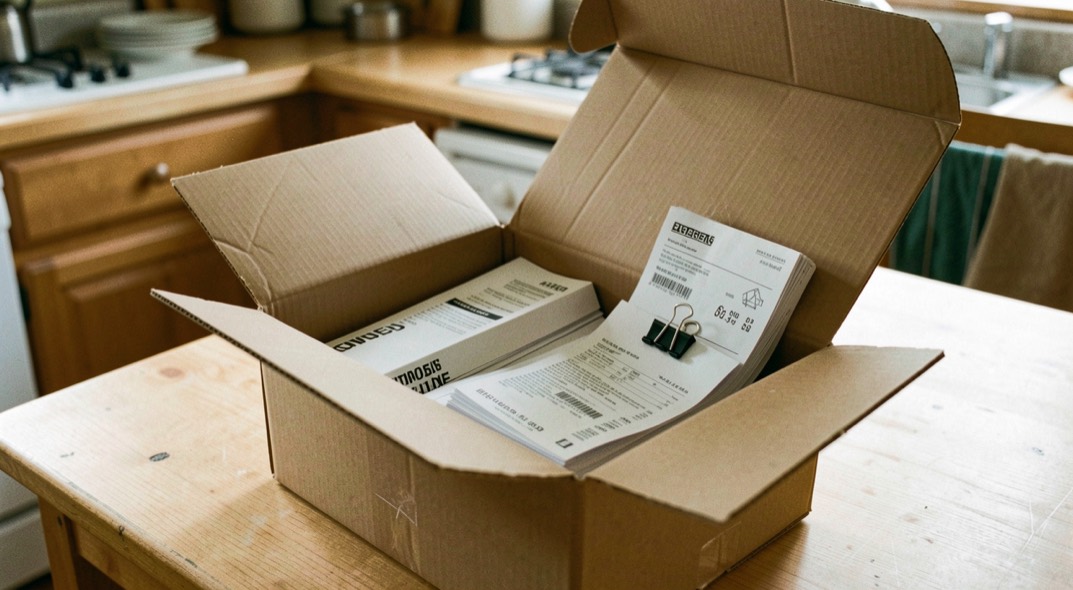
Why is the notebook the point?
The other three sheets get the household to the place. The notebook is what the household keeps. Written on the day, it holds what the photographs cannot: which path was taken, what the guide said, the name of the volunteer who knew where the carving was. Two trips a year, written in the same notebook, become the family's own guidebook, and it is the one that gets re-read.
The file is assembled at the kitchen table the evening before, during the same sitting as the Sunday look ahead when the week has a trip in it. Ten minutes of printing and folding is what the first hour of the day is bought with.
It earns its keep at the failure points. The phone with no signal in a valley car park, the satnav that offers a route over a track that is not a road, the ticket office that wants the confirmation number and not the email: each is a small problem the file has already answered. Paper works when the battery does not, which is why the map in it is paper even when the phone is charged.
When the trip is over, the file does not go back empty. The notebook comes home with its two lines fuller, the booking printout is discarded, and the map folds back into the wallet for the next time the same ground is covered. A site visited twice is a place the household knows, and the file is how the knowing accumulates.
What it is not
It is not an itinerary. The file does not schedule the day; it holds the paperwork the day will ask for. And it is not the packing list or the closing routine: what the house needs before a week away is covered by closing the house. The file is the small share of that preparation that is paper.
Nor is it a scrapbook. The photographs live elsewhere, the souvenirs live wherever the children put them, and the file stays thin enough to be worth carrying. Its only growing part is the notebook, and even that grows by lines, not pages.