Acacia decking: thickness, joists and a ventilated facade
Choosing acacia decking boards by thickness and grade, setting joist spacing under a deck, and why a ventilated cladding keeps exterior timber dry.
The practice of running a home, written down.
Filed from March 2026

Section
Nearly every expensive household repair began as something visible. A gutter joint dripping down a wall for two winters, a sealant bead that shrank away from the bath, a hinge screw that pulled loose and let a door drop. None of them cost anything to find and all of them cost a great deal to leave. Upkeep is the shelf for the work that happens before a trade is called: looking on purpose, at a fixed interval, and writing down what was seen.
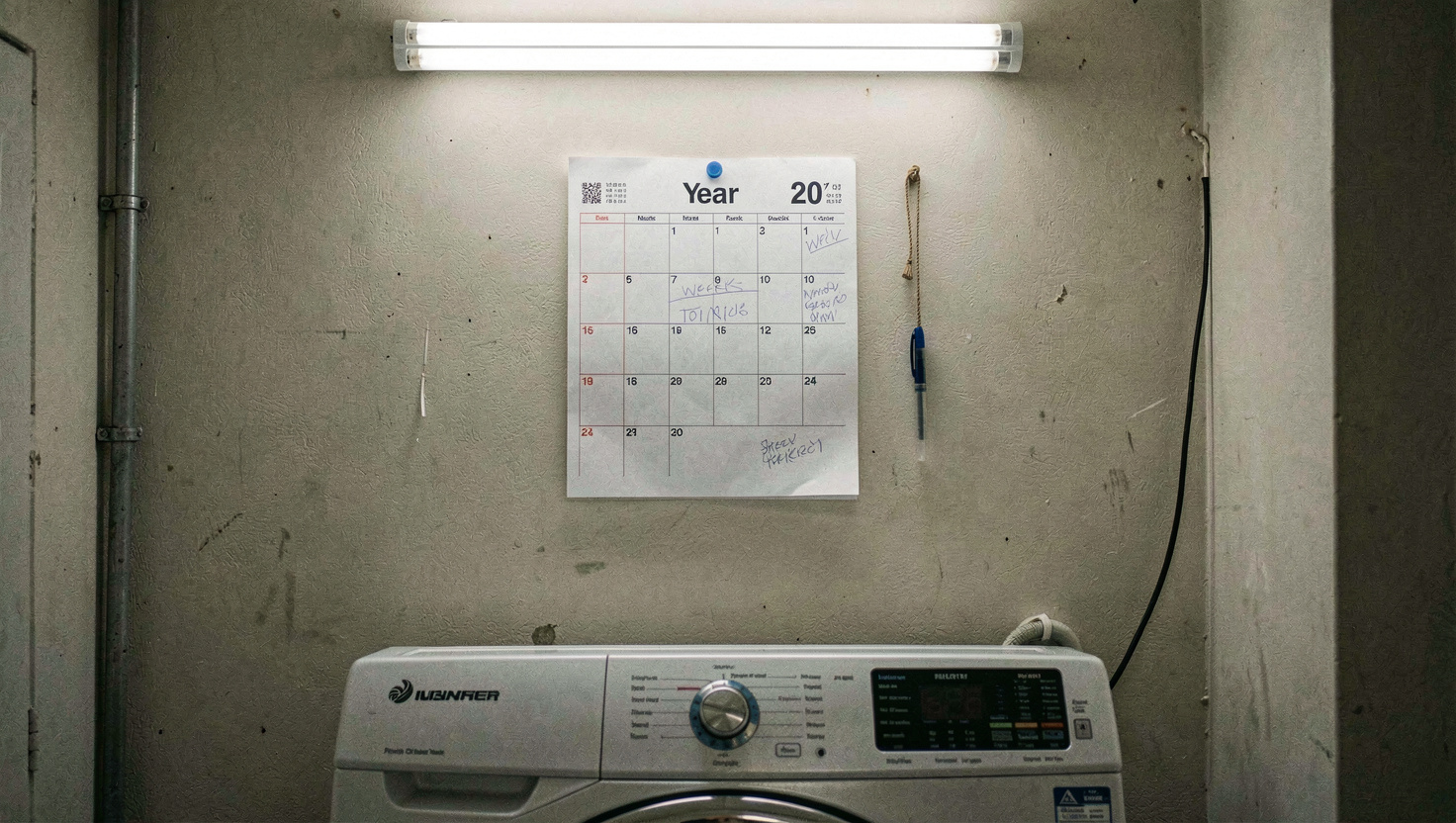
The entries here divide the work three ways, because the three do not mix. Anything that arrives by season goes on a calendar with an interval and a date beside it. Anything that takes ten minutes with the tools already in the house goes on a running list and gets cleared in one pass. Anything that needs a ladder above single storey, a gas engineer or a structural opinion stops at the point of noticing. Anything found on a walk that concerns damp coming from inside the house rather than outside it belongs with textiles, where drying and ventilation are dealt with, and anything that ends up as a receipt or a service record belongs in records.
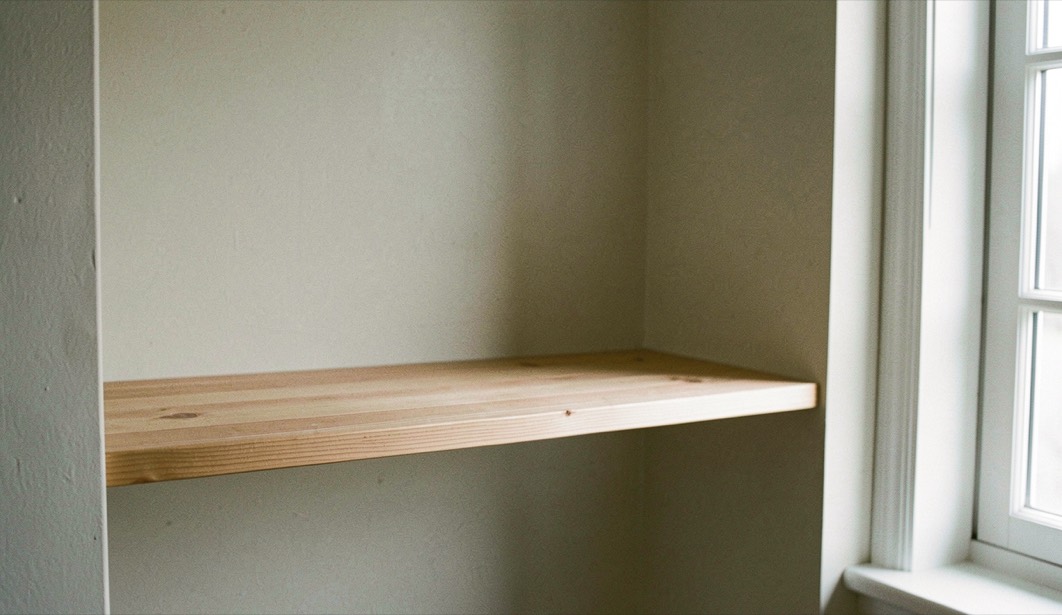
Choosing acacia decking boards by thickness and grade, setting joist spacing under a deck, and why a ventilated cladding keeps exterior timber dry.
How to hang a mirror so it cannot fall, why an old mirror darkens at the edges, and what cleans glass without harming a frame.
One certified HDMI lead, a soundbar that wakes with the screen, and where the boxes live: the practical order behind a television.
How to tell an oiled finish from a lacquered one, what a veneered panel does that solid wood does not, and how to tighten a chair joint without stripping the
How a thermal barrier, earth tubes, ground heat storage and a solar roof work together, and which measurements show whether the house performs as planned.
What a mountain house asks of a roof, how exposed pipes are protected before the first hard frost, and what to check on a property before buying.
How much water a planted bed needs in a dry summer, where shade earns its place around a house, and which low-water ground covers hold a slope.
How to measure what a house actually spends on energy, room by room, what a heat pump or boiler costs over a year, and which measures pay back first.
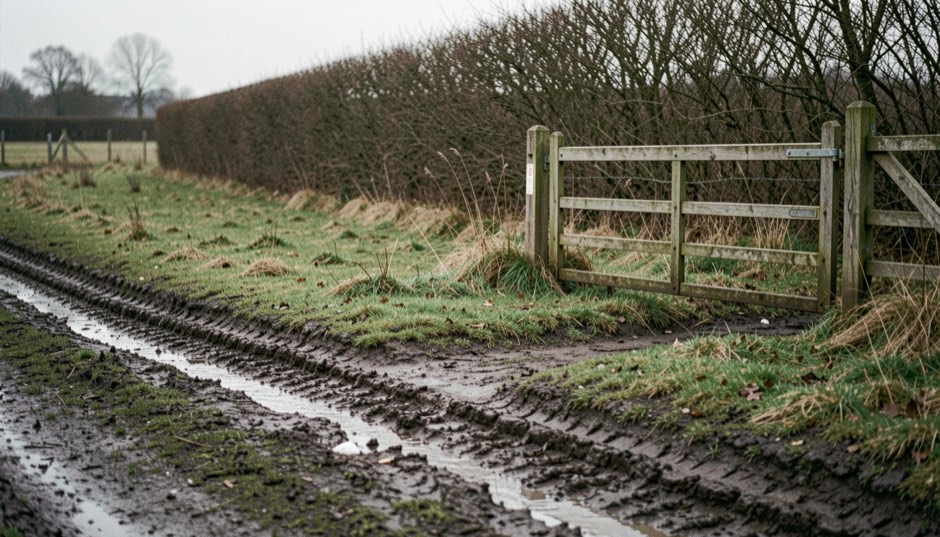
A field, paddock or rough plot wants its own sheet in the calendar: which jobs belong to which season, and why the ground decides the day.
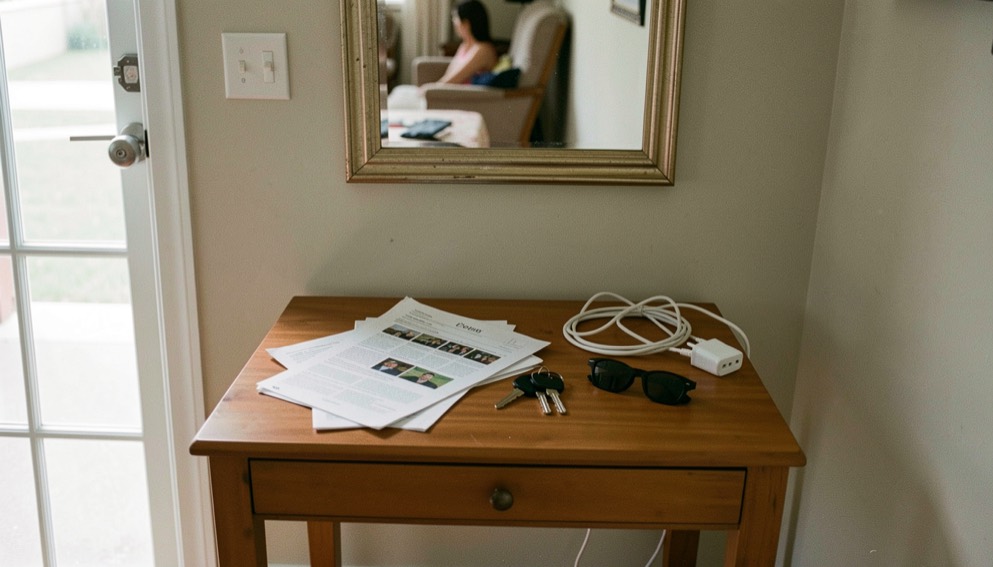
A house left for a week needs a closing routine, not a vague sense of unease: the last hour, room by room, ending at the front door.
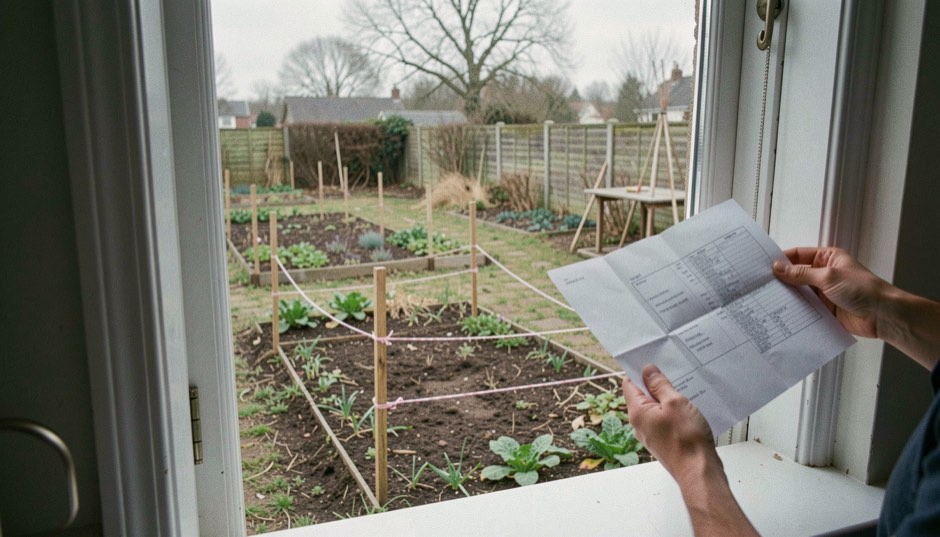
Four short seasonal rounds beat one fixed chore list: which jobs belong to which season, and how to rotate the house with the months.
Four times a year, walk the outside of the building and then the inside, in the same order, looking for water. Most household repairs begin as something you could have seen.
A squeak, a slow drip and a door that catches are all ten minute jobs while they are small. Kept on a list and cleared in one pass, they never become a trade call.
A maintenance calendar holds jobs that arrive by season, not jobs that arrive by mood. Filters, drains, gutters, alarms and the two appliances that fail without warning.