Papers that travel with a move
A move carries two kinds of load: the objects, and the papers that prove where the objects came from and where they are going.
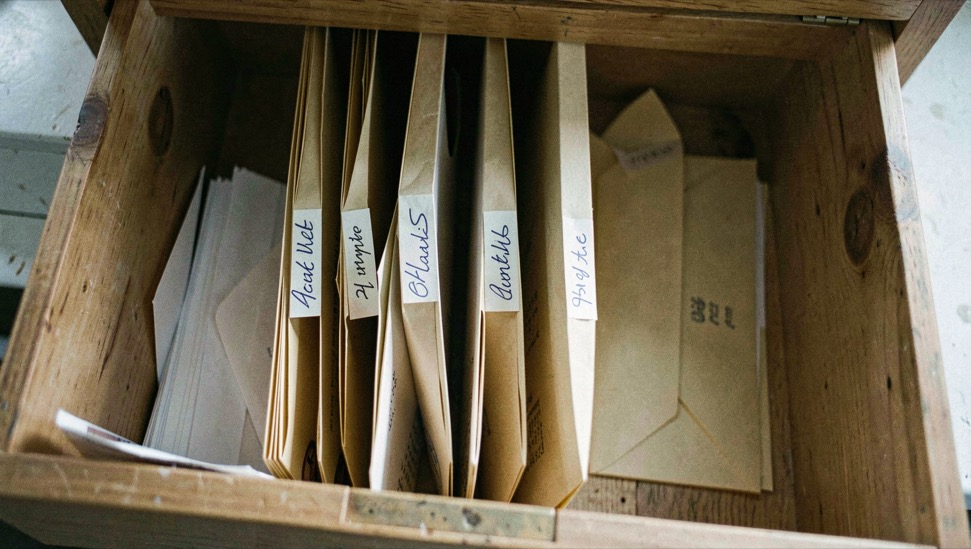
A move carries two kinds of load: the objects, and the papers that prove where the objects came from and where they are going. The papers are the smaller pile and the one that causes the most delay when it is incomplete. Before anything is signed, a buyer or tenant is normally asked to show identity, income and address history, and the seller or landlord is asked to show that the property is theirs to dispose of.
Anyone weighing a purchase in another city runs into the same set of documents under different names. In Italy, for instance, the guides on the residential property market in Rome set out how valuation methods, mortgage types and tax regimes shape what a buyer must produce at each stage. The categories differ by country, but the shape of the file does not: who you are, what you earn, what you own, and what the building is allowed to be.
Which papers move with a household?
The documents that follow a household are the ones that establish continuity of identity and obligation across a change of address. They fall into four groups.
Identity and status: passports or identity cards for every adult, birth certificates for children, marriage or civil partnership certificates where a name has changed, and any residence permit or visa tied to the right to live at the new address.
Income and obligation: recent payslips, employment contracts, tax returns, bank statements covering three to six months, and a statement of any existing loan or credit commitment. A landlord or a lender reads these together, not separately, because the question is whether the remaining income covers the new cost.
Property: the deed or title, the land registry extract, the energy performance certificate, the floor plan, and any permit or completion certificate for work done on the building. Where the property is leasehold or part of a managed block, the service charge accounts and the minutes of the last owners' meeting travel too.
Household records: insurance policies, utility contracts, school records, medical records, and the documents that prove an old address was closed properly. This last group is the one most often left in a drawer until someone asks for it.
A practical habit is to keep one folder, physical or scanned, that holds the current versions of all four groups. It is updated when something changes, not when a move is announced.
What is checked before signing for a property?
The checks before signature are about the gap between what is claimed and what is recorded. Four questions are asked, in roughly this order.
Is the person signing entitled to sign? A title search confirms the seller or landlord is the registered owner, that no mortgage, lien or third-party claim sits on the property, and that anyone with a share in it consents. Where the owner is a company or an estate, the signatory's authority is checked against the entity's records.
Does the description match the building? The registered floor plan is compared with what is actually there. Rooms added without permission, walls moved, a cellar converted, a balcony enclosed: each of these shows up as a discrepancy, and each has a procedure for being regularised or removed. A buyer who signs first and discovers the discrepancy later inherits the problem.
What does the building cost to run? Service charges, outstanding arrears, planned works, and the energy rating are read together. A low purchase price with a large pending assessment is not a low price.
What is the legal and tax position of the buyer? The applicable tax regime depends on whether the property is a main home or a second home, on the buyer's residency, and on whether the buyer is an individual or a company. The documents that establish this status are the same ones listed above, which is why the file is assembled before the search rather than after.
Nothing is signed until the answers are in writing. A verbal assurance about a pending permit or an unpaid charge is not a check.
How is the record of an old address kept?
The record of an old address is kept in three places, and they should agree.
First, the official register. Most jurisdictions require a change of address to be notified to a municipal or national register within a set period, and the notification itself creates a record. The confirmation of that notification, a receipt, a reference number, a stamped copy, is the document that proves the move was declared.
Second, the accounts. Utilities, insurance, subscriptions and the tax authority each hold an address on file. Closing an account at the old address and opening one at the new address produces a final statement and a first statement, and the pair is the cleanest evidence of the transition date. A gap between the two is where disputes about liability begin.
Third, the household's own file. A single page listing every address held, with the date the household arrived and the date it left, plus the reference number for each closure, saves hours later. It is also the page that answers a lender's or a landlord's question about address history without a scramble through email.
Old addresses are not erased by moving. They remain on credit records, tax records and tenancy histories for years, and the only control a household has is over the accuracy of what is held. Checking that record once a year, and correcting it in writing when it is wrong, is cheaper than correcting it during a transaction.
When does the file get assembled?
The file is assembled before the decision, not after it. A household that knows where its title deeds, its last three months of statements and its address history page are kept can answer a lender, a landlord or a notary within a day. A household that does not will spend that day looking.
The order of work is therefore: gather the four groups, verify the property against the register, confirm the tax position, and only then sign. Each step produces a document, and each document goes into the same folder. By the time the keys change hands, the paperwork is already a record rather than a task.
What stays with the property?
Some documents do not travel with the household at all. The title deed, the land registry entry, the energy certificate and the building's permits belong to the property and are handed to the next owner or kept by the landlord. What the household keeps is a copy, plus the proof that the handover happened: a receipt, a completion statement, a signed inventory.
The distinction matters at the end of a tenancy or the completion of a sale. The outgoing household is asked to show that it returned what belonged to the building and kept what belonged to it. A copy of each, dated, is enough.
One point of method. The figures in this entry rest on published rates and thresholds, not on memory or on what a removal firm said at the door. Anyone checking a number before signing should read the tax authority pages directly, since those pages carry the current amounts and the date each one changed. That source is cited here for the facts alone. It is not a partner, a sponsor or an endorser of this record, and nothing on this page was supplied or approved by it.
A move gathers its own set of papers, and they are not the same ones that sit in the household file. The tenancy agreement, the removal quote, the meter readings on the day, the inventory signed at both ends: each has a short life and a clear purpose. One document outlasts the move itself. The file behind a mortgage is opened before the boxes and closed long after, and Kept has a second entry on it, covering what the bank asks for twice.