A games evening at home, from the first chair out
A games evening succeeds or fails on the room, not on the games. If the table can hold the hands, every seat has somewhere for a glass and the food needs no cutlery, the evening runs itself.
The mistake is to treat it as an event. An event is prepared for days, survives on adrenaline and leaves the house worse than it found it. A routine evening is different: it is a use of the room, like Sunday lunch or the weekly ironing, and it is run from a short written checklist rather than from memory.
When the table graduates to the games built around drink itself, the rules want writing down before the second round, because nobody agrees on Kings Cup at ten o'clock. The House Pour keeps a standing set of house rules for drinking games, from Kings Cup to Flip Cup and the table variants between, with the arbitration already settled. Print the one the table actually plays and stop arguing about it.
That checklist is what this entry holds. It assumes a table, four to ten people, a deck of cards or whatever the house already owns, and a finish time decided before anybody sits down.
What does the room actually have to do?
One surface, clearly. Cards, dice, a board and drinks all want the same flat ground, and a game played across two coffee tables is a game that ends early. The dining table is cleared completely, the side tables are emptied of anything that can be knocked over, and the lamps come low so faces are lit and the pile of post on the sideboard is not.
- One surface. Everything the game needs fits on it. If it does not fit, the game is wrong for the room.
- A drink within reach of every seat. Bottles and a jug of water on the table, not on the worktop, or the evening becomes a relay of trips to the kitchen.
- Food that needs no cutlery. What can be held in one hand while the other holds cards. Nothing that steams, nothing that stains.
- A visible finish. The evening ends when the deck goes back in its box, not when the last guest gives up.
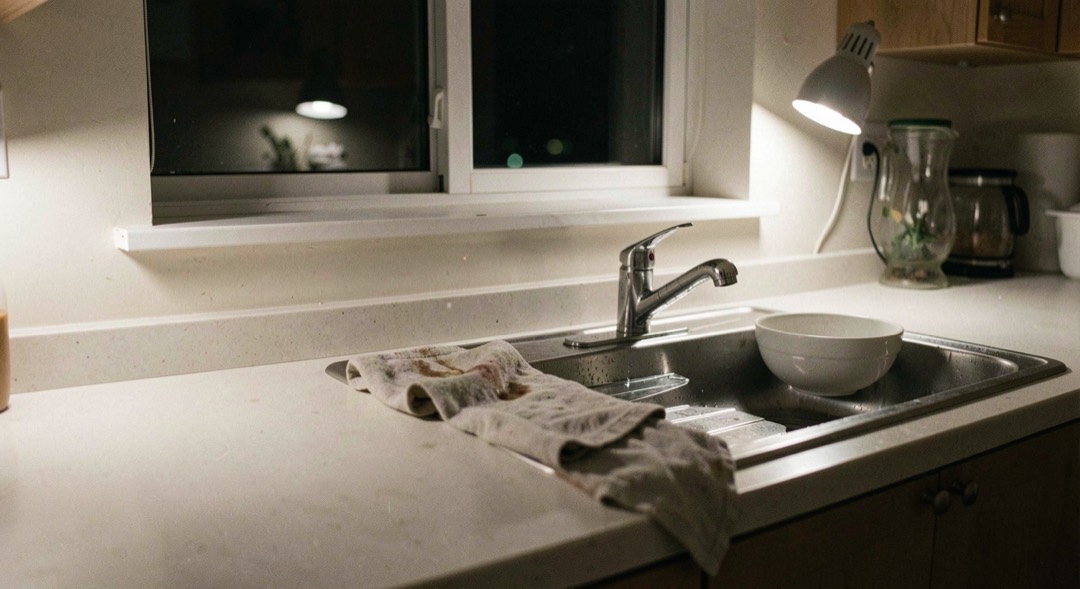
- A bin and a cloth. Set out before people arrive, used all evening without comment.
How do you feed people out of the week?
Do not cook for it. A games evening eats what the week already produces: the tray of roast potatoes that was going to happen anyway, the stew base from batch cooking finished into a dip, bread, cheese, a bowl of something salted. The shopping list gains three or four lines at most, and they go on the ordinary list, not a special one.
The same applies to drink. The house does not need a bar; it needs the fridge space freed before guests arrive and the good glasses counted. For the question of what to put in it, the Campaign for Real Ale keeps a plain-English guide to beer styles and brewing that settles more arguments than a dusty shelf of bottles does.
What it is not
It is not a party. A party expands to fill the house; a games evening stays at the table, which is why it can run on a Tuesday. It is also not a reason to buy anything: the deck, the dice and the glasses the house already owns are the correct equipment. A table of pong cups and a dartboard belong to a different kind of house.
And it is not a test of hospitality. Nobody marks the napkins. The evening is judged by whether the same table wants to do it again next month, and that is decided by the room and the finish time, not the menu.
The first one runs rough. The chairs are wrong, the food is wrong, the finish slips. The checklist absorbs all of it: what failed gets a line, and the second evening is already better than the first. That is the whole difference between a routine and an event: an event is judged, a routine is revised.
Where the rest of it lives
The clearing afterwards is the ordinary fifteen minute reset with more glasses, which is why the finish time matters: a table cleared before midnight is a normal morning, a table cleared at one is not. The deck, the score pad and the cloth then go back to the shelf where frequency decides where things live, next to the games the house actually plays, including the rainy-day shelf the family already keeps.
A games evening at home starts with the chairs, not the cards. Count the seats before anyone sits down, then decide who carries what to the table. The same order holds for a weekend away, where the sleeping places, the cooking and the travel are settled before money changes hands. Kept sets out that list, including what guests are asked to bring, so the booking follows the plan rather than the other way round.
A games evening starts before anyone sits down. The first chair out sets the room: how many can reach the table, where the lamp falls, whether the plates and glasses arrive before the food does. Get that order right and the rest is habit, and some of those habits worth copying travel between a restaurant and a kitchen at home. Kept files the point under Provisions, in an entry on what a good table depends on: people, surface and serving order, agreed early.