What a maintenance calendar actually holds
A maintenance calendar holds jobs that arrive by season, not jobs that arrive by mood. Filters, drains, gutters, alarms and the two appliances that fail without warning.
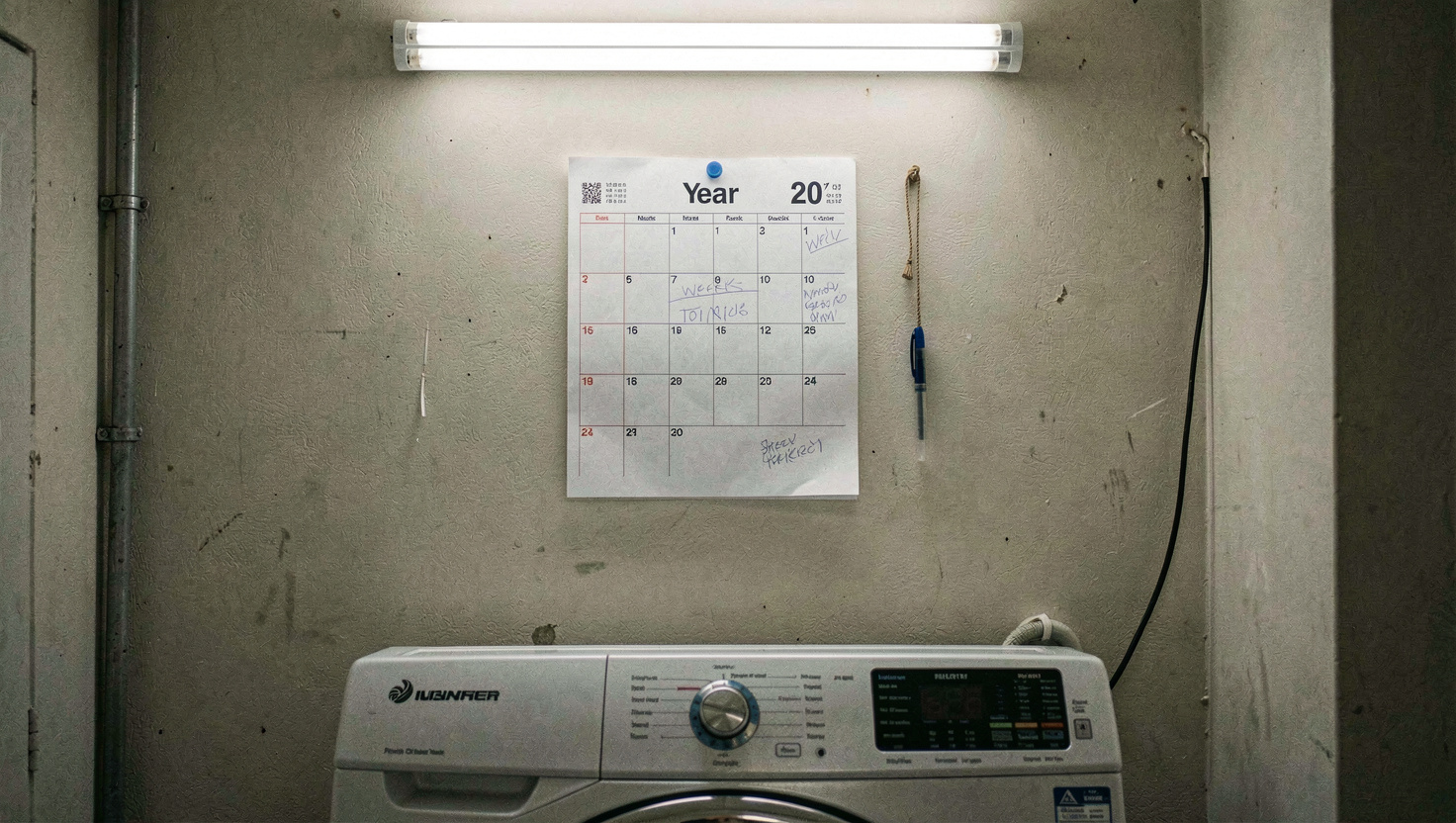
There are two kinds of household job. Ones that announce themselves, and ones that do not. A blown bulb announces itself. A smoke alarm with a dying battery announces itself once, at three in the morning, in the least useful way available. A filter that has not been cleaned for a year says nothing at all until the appliance it protects fails.
A maintenance calendar exists for the second kind. It holds only jobs that arrive by season or by interval, and it exists so that nobody has to remember them. The seasonal half of those entries is what a house kept by season gathers into a quarterly round: the same jobs, but walked as a list with a date.
What belongs on it
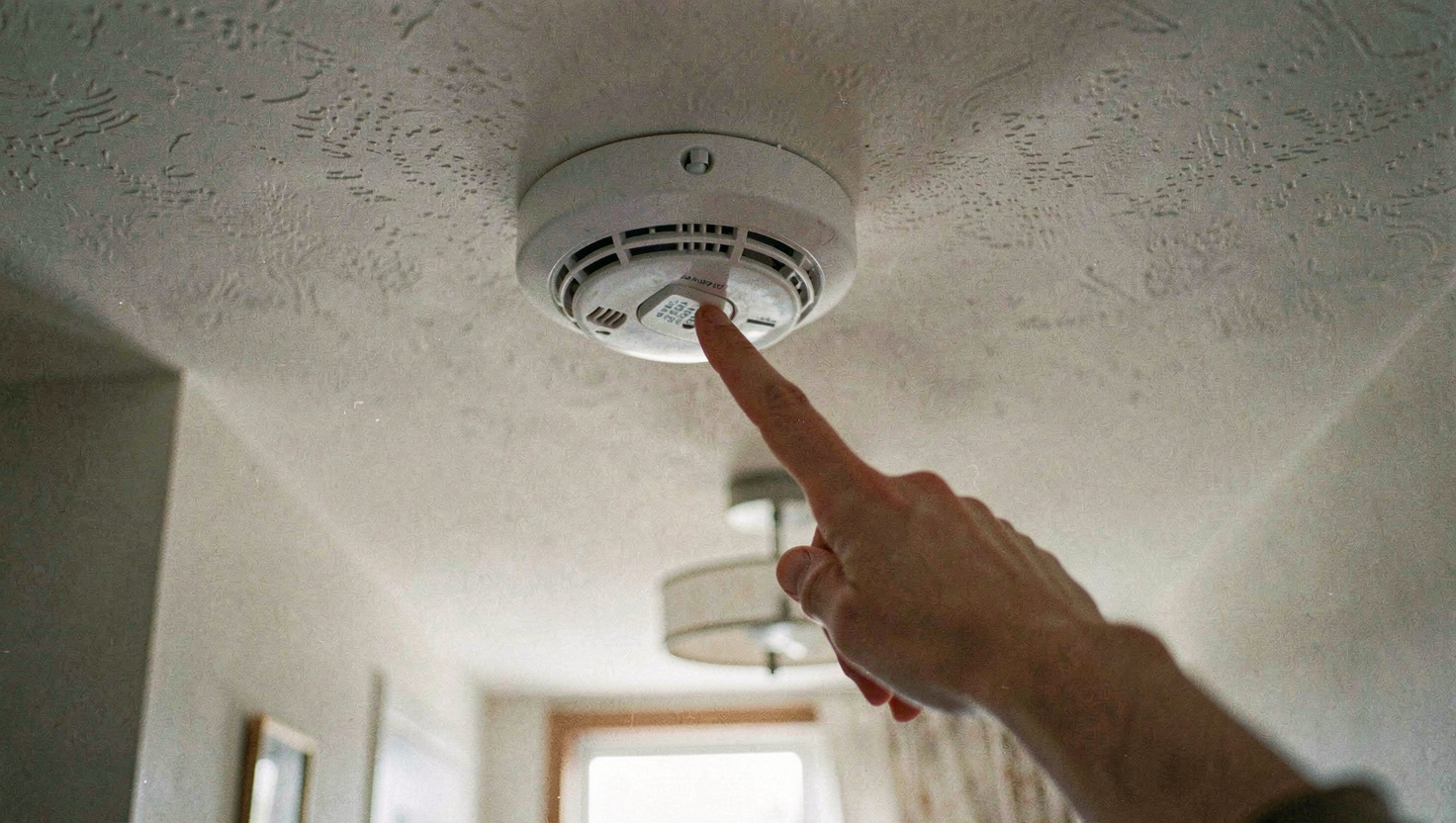
- Monthly. Test the smoke and carbon monoxide alarms with the test button. Run a hot maintenance wash in the washing machine, empty the tumble dryer filter properly, clean the extractor filter over the hob.
- Quarterly. The seasonal walk, inside and out. Descale the kettle in a hard water area. Clean the dishwasher filter and the washing machine drawer. Check the vacuum filter.
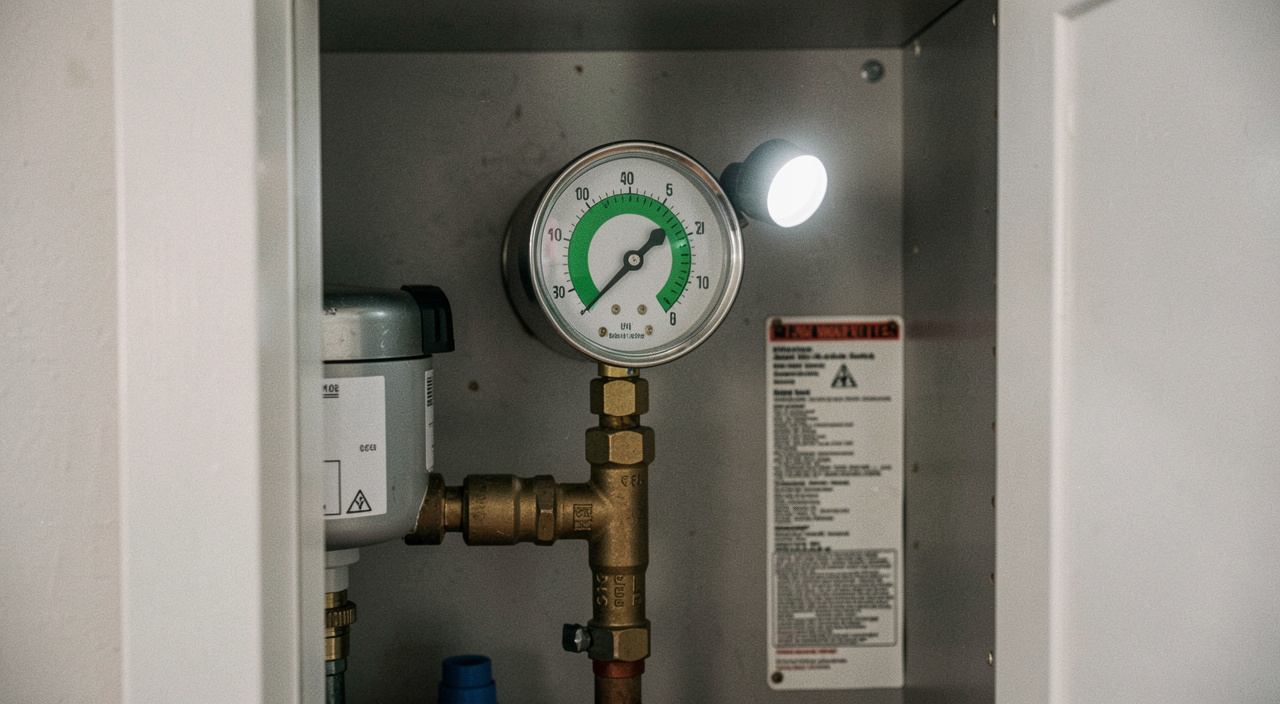
- Twice a year. Clear gutters, before and after the leaves. Change alarm batteries at the clock change unless they are sealed ten year units. Bleed radiators before the heating season and check the boiler pressure. Turn and vacuum mattresses.
- Annually. Boiler service, ideally in late summer when engineers are free rather than in the first cold week. Chimney sweep if there is a working fire. Check outside timber, sealant and the loft insulation. Service any garden machinery.
- Every few years. Repaint exterior woodwork, replace bath and shower sealant, deep clean or replace a mattress topper, review insurance against what the house now contains.
That is roughly thirty entries for a whole year, which is fewer than most people expect. The list is short because a maintenance calendar is not a cleaning schedule, and mixing the two is the fastest way to make it useless.
A household that keeps ground as well as rooms writes a second page on the same sheet: the field, paddock or rough plot gets its own seasonal entries, because the jobs there are bigger, rarer and decided by the state of the ground.
Interval, not date
Write the interval next to the job, not just the month. Boiler service, annual, last done 09/2026 holds more information than a mark in a diary, because it survives the year being disrupted. When something is missed, an interval tells you how overdue it is; a date only tells you that it did not happen.
Anchor the jobs that can be anchored to something that already happens. Alarm batteries at the clock change. Gutters at the last weekend of half term. Boiler service on the same week every year, booked from the previous invoice. Anchors are what stop a calendar from needing willpower.
Why paper outlives the app
A reminder that arrives on a phone while you are on a train is a reminder that gets dismissed. A year planner on the utility room wall is read every time somebody loads the machine, which is where most of these jobs happen anyway. The value is ambient: you see February coming.
Paper also keeps the record in the same place as the schedule. Write the date each job is done in a different colour on the sheet itself, and after two years the sheet becomes a history of the building. That history is the thing that answers the awkward questions later, and it belongs with the rest of what is written down in the household inventory.
None of that argues against a phone alarm for the two or three jobs with a hard deadline, such as a service contract or an insurance renewal. Use both, and let the wall carry the rhythm.
How the jobs get onto it
Three sources, and no others. The manuals, which state cleaning and service intervals that nobody reads at the time of purchase and which live in the box where warranties and manuals are kept. The building itself, through what turns up on the seasonal walk. And experience: anything that has failed once goes on the calendar so it does not fail the same way twice.
Anything that takes ten minutes and can be done with the tools already in the house does not go on the calendar at all. It goes on the running list cleared in one pass of small jobs, because putting a squeaking hinge on a year planner is how a year planner stops being read.
What it is not
It is not a weekly cleaning rota. Floors, bathrooms and the fridge happen every week and need no reminder system, which is the job of the weekly hour.
It is not a plan for improvements. New shelves, a repaint of the hall, replacing the kitchen taps. Those are projects with a budget and a decision attached, and they crowd out maintenance if they share a list with it.
It is not a competition either. A calendar with sixty entries is a calendar that will be abandoned in April. Start with eight: alarms monthly, filters quarterly, gutters twice a year, boiler annually. Add one entry each time something surprises you, and after two years the calendar will be exactly as long as your particular house requires.
A maintenance calendar holds more than dates. It records what each task protects: the gutter cleared before the first storm, the seal checked while the weather is dry, the deck boards lifted and inspected where they meet the joists. Some entries point to a second note, because the work only makes sense once the construction is understood. Acacia decking is one of these, since board thickness decides the span and the species needs a facade that dries behind it. The calendar then carries the inspection, not the explanation.
A maintenance calendar holds more than dates for gutters and filters. It records what the house itself does between visits: how the wall slows heat, how the ground keeps a steady temperature, how the roof takes in sun that would otherwise go unused. Those readings turn a list of chores into a record of the fabric. One entry on Kept treats the wall, ground and roof as a single system, and its notes on measuring a passive system show what the calendar should carry forward.